
Forensic Science Program
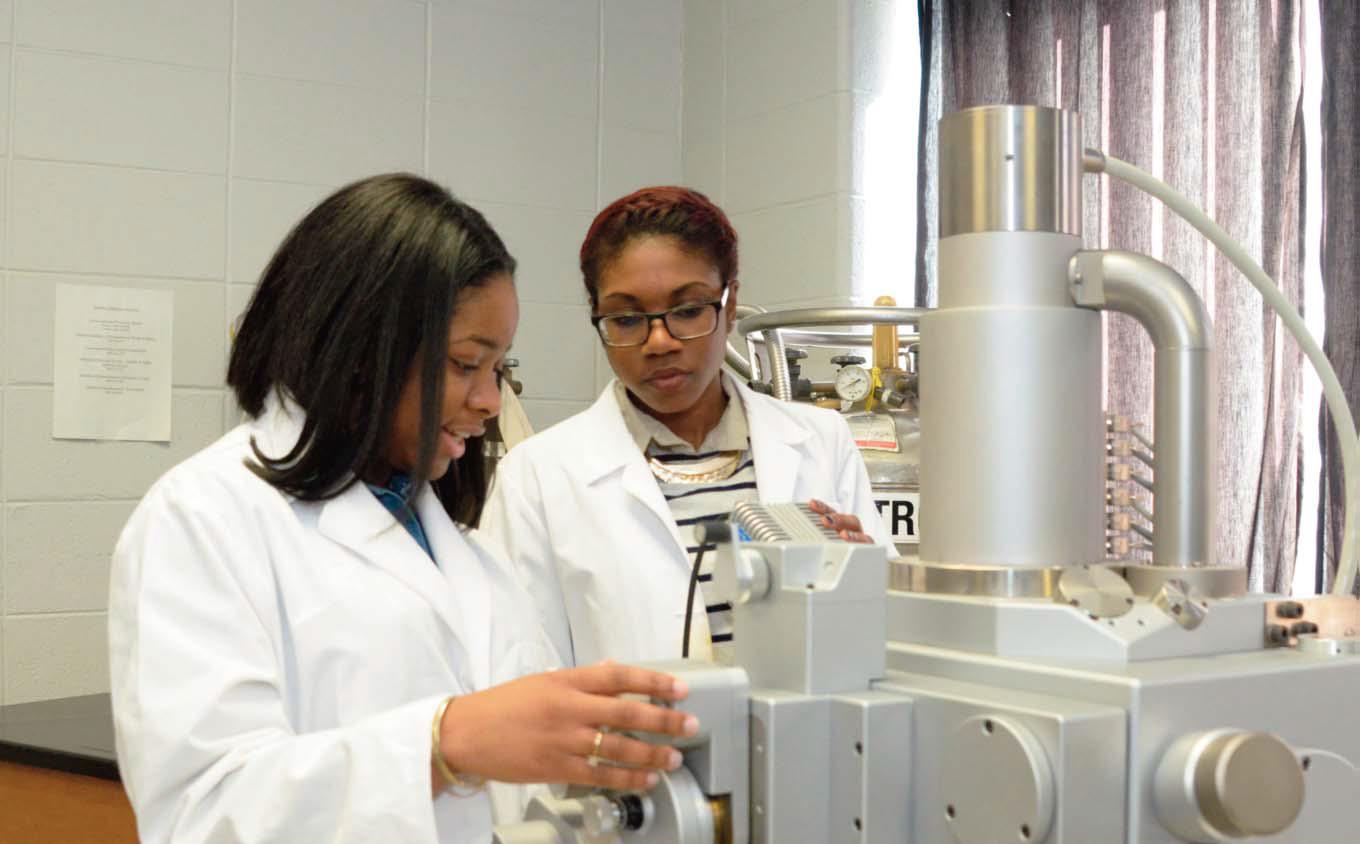
Explore The Forensic Science Program
(Department of Natural Sciences (asurams.edu))
Our Mission
The Bachelor of Science degree program in Forensic Science at Albany State University aims to provide students with an understanding of the scientific knowledge, and practice of forensic science, and prepare students for work in forensic science laboratories, crime scene investigation, and related areas.
We aim to continually improve the program's quality and technological innovation and promote integrity. Career advancement. And understanding forensic science practices are cornerstone of our mission
The program is committed to advancing the educational needs of students and working professionals. The program is aligned with and works towards the overall university mission. The Forensic Science program provides the relevant educational needs based on labor market trends in forensic science and science in general for the citizens in Georgia, the United States of America, and beyond.
- The Bachelor of Science Degree Program in Forensic Science aims to prepare students
to be high-quality forensic professionals. It does this by providing them with the
education and experiences needed for professional careers in forensic sciences.
- To offer a nationally recognized Forensic Science degree program combining state-of-the-art
educational technology with innovative pedagogy.
- To conduct research with students and professionals in other universities and other institutions to advance knowledge and provide students with skills in using instruments and scientific techniques useful in forensic science.
The Forensic Science program at ASU objectives that are related to its mission and goals are:
- Graduates will understand and be able to perform classification of physical evidence at a crime scene
- To familiarize students with skills in the packing, preservation, and analysis of physical evidence
- For students to understand and be able to write skilled crime scene reconstruction reports.
- Be able to read and interpret papers in the primary literature
- Be able to work collaboratively with others
- Be able to present scientific information in visual, oral, and written formats
- Be aware of major scientific and ethical issues in Forensic Science
- To produce graduates in Forensic Science who may go directly into employment in the many laboratories and organizations in the field of Forensic Science, such as the FBI, GBI, other state crime laboratories, and local and other federal organizations.
- To produce graduates who have the capabilities needed to enter Ph. D and MS programs in other institutions
- The ASU forensic science program will become a source of knowledge for nearby criminalistics laboratories and law enforcement agencies
Class of 2025 Update
Testimonials
The overall experience was very educational and it really gave an insight on a medical
examiner, Forensic Technician, and even Investigators almost day to day work life.
This trip further solidifies that I am on a good path for my career goals and I do
believe that for students in Forensics and other sciences and that wants to get into
death investigations, autopsies, pathology, etc should experience this at least once.”
- Deauvion Hawkins, Forensic Science B.S./post-grad degree
Being that this was my first time going to the Medical Examiner’s office and seeing a live autopsy, I thought the trip went well. I was nervous about how I would react to the smell and process of an autopsy, but I didn’t have any problems. I enjoyed how interactive the field trip was and how friendly the team was. While being a pathologist is not the field of forensics that I would pursue, I recognize and respect those who do. This trip has motivated me to keep moving forward and working towards my dreams.” Kareena Karim-Manning, Forensic Science major
My favorite part of the field trip was seeing the autopsies being performed and also knowing the stories of each of the body’s. I was also able to get some information regarding shadowing there for the summer of 2025. The staff were professional and nice, they showed us around and allowed us to ask all of the questions we needed to. - Audreanna Brown, Forensic Science major